What Is Moisture-Wicking Fabric (And Why It Matters for Sleep)
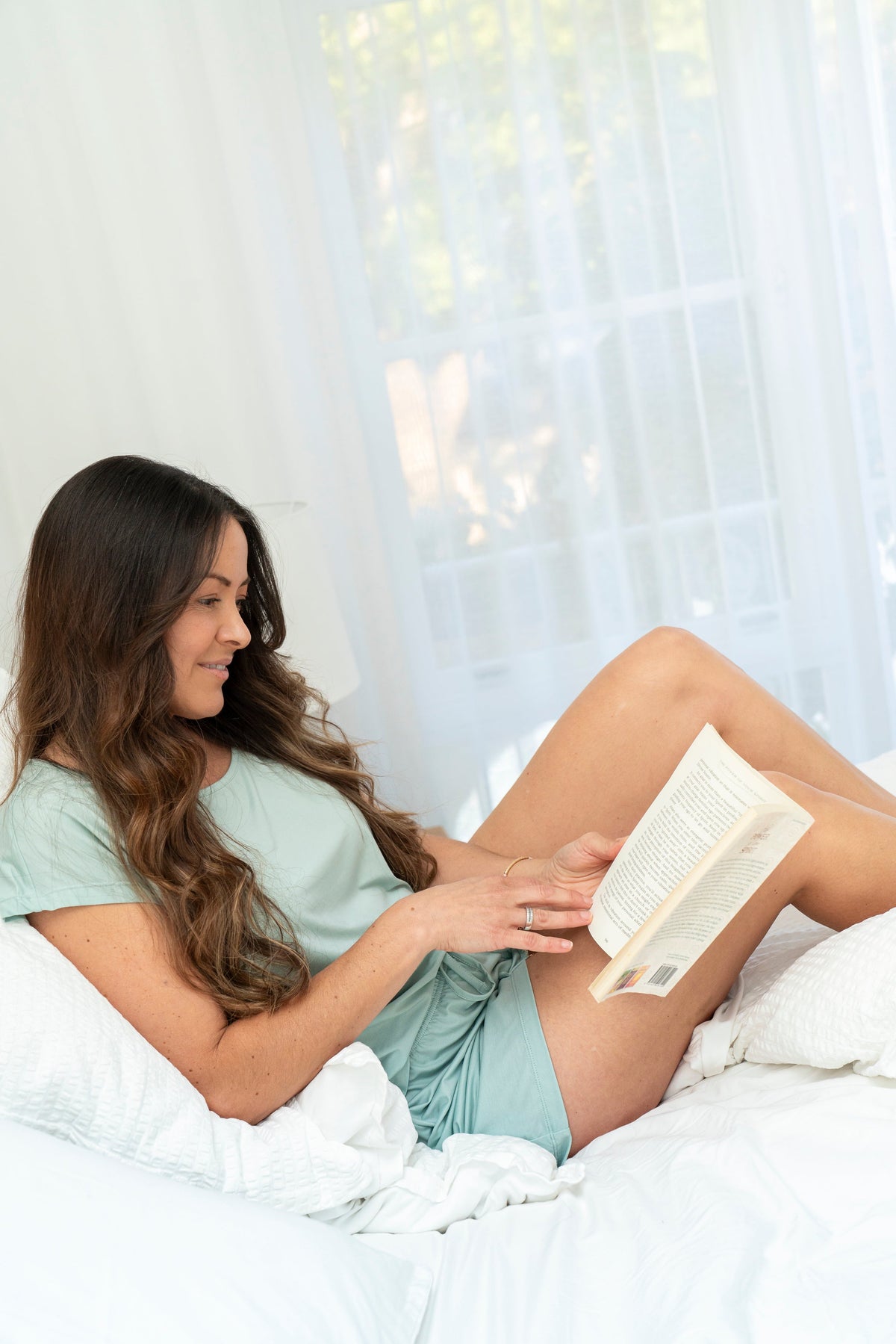
If you’ve ever woken up feeling damp, sticky, or uncomfortable, you’ve experienced what happens when fabric works against your body instead of with it.
Moisture-wicking fabric is designed to do the opposite; it works with your body.
It helps move sweat away from your skin and allows it to evaporate quickly, supporting a cooler, drier, and more comfortable sleep.
How moisture-wicking fabric actually works
From a scientific perspective, moisture movement in fabric is driven by capillary action.
This means liquid (like sweat) is pulled through tiny spaces between fibres and spread across a larger surface area.
In simple terms:
- Sweat moves away from your skin
- Spreads through the fabric
- Evaporates more quickly
This process helps regulate body temperature and reduces that heavy, damp feeling.

Why this matters for night sweats
When sweat sits on your skin it increases discomfort and disrupts temperature regulation.
Textile research suggests that moisture-wicking fabrics can support thermal comfort by helping regulate temperature and reduce dampness against the skin. For women experiencing night sweats, this is extremely important and can be the difference between a restless sleep or waking up feeling refreshed.
Not all fabrics wick moisture equally
Different fibres behave very differently when exposed to sweat.
Absorbent fabrics (like cotton and bamboo)
- Soak up moisture
- Hold onto it
- Feel wet and heavy
Moisture-wicking fabrics (like lyocell blends)
- Pull moisture away from skin
- Disperse it across the fabric
- Dry more quickly
This is why some sleepwear feels fine at first but uncomfortable once sweating starts.
Why plant-based fibres matter
Fibres like lyocell are known for:
- Smooth fibre structure
- Good moisture absorption and release balance
- Breathability
This combination allows moisture to move through the fabric, rather than staying trapped against your skin.
Moisture-wicking vs “breathable” (they’re not the same)
These terms are often used together, but they do different things:
- Breathable fabric → allows air to circulate
- Moisture-wicking fabric → moves sweat away from your skin
The best sleepwear combines both.
What this means for your sleep
When your sleepwear supports moisture movement, you’re more likely to:
- Stay dry for longer
- Feel less overheated
- Experience fewer wake-ups
For anyone dealing with night sweats, this can make a noticeable difference.
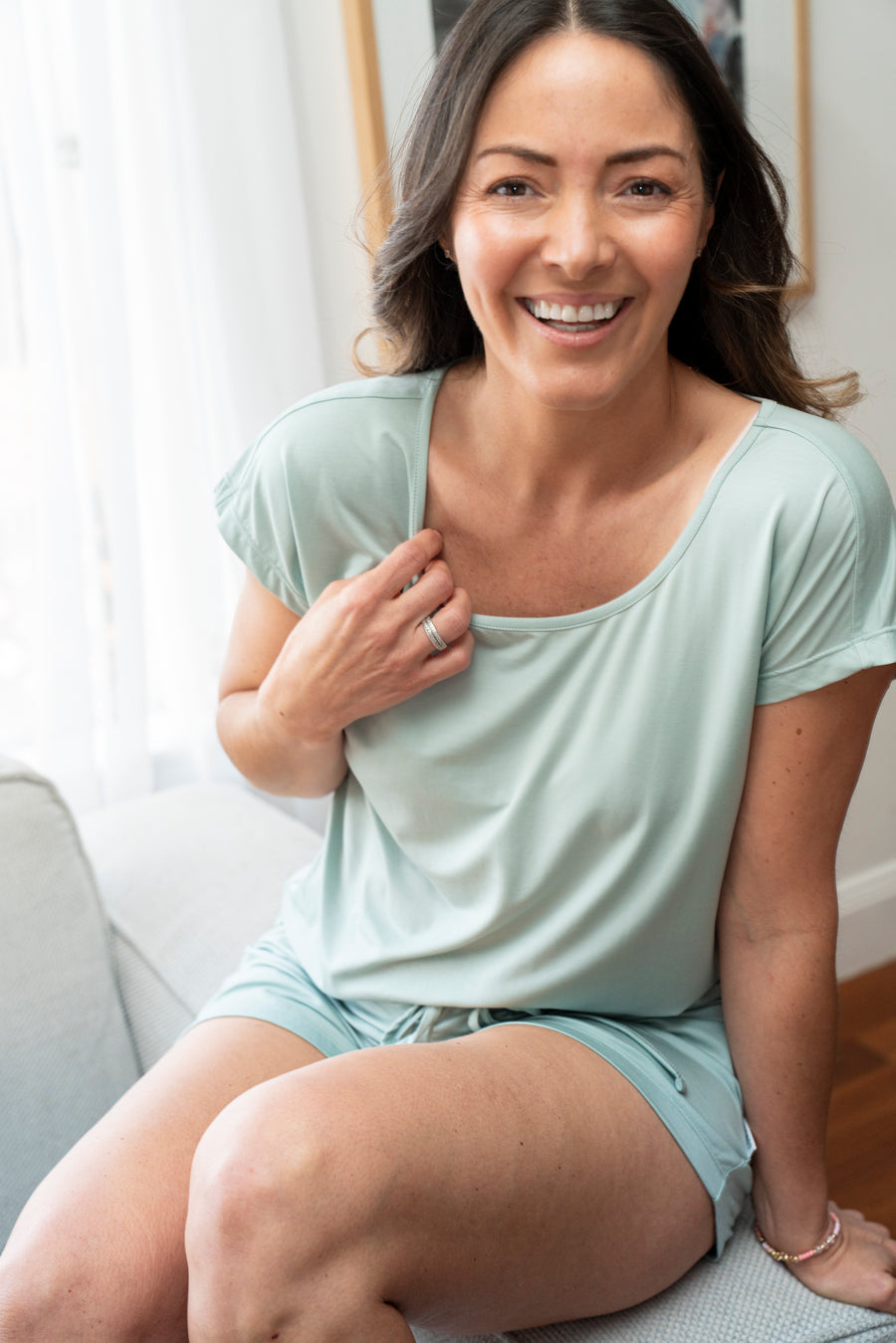
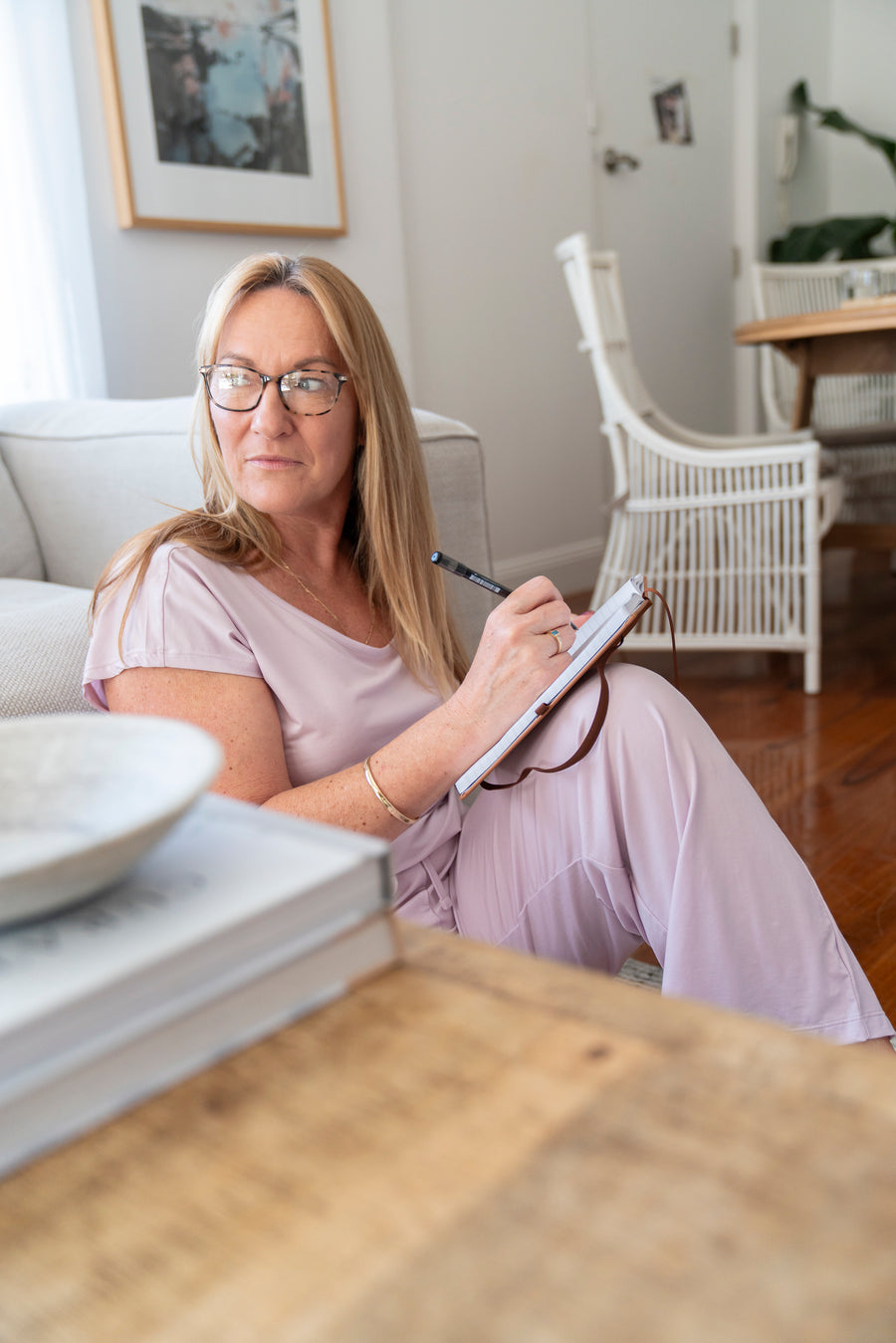
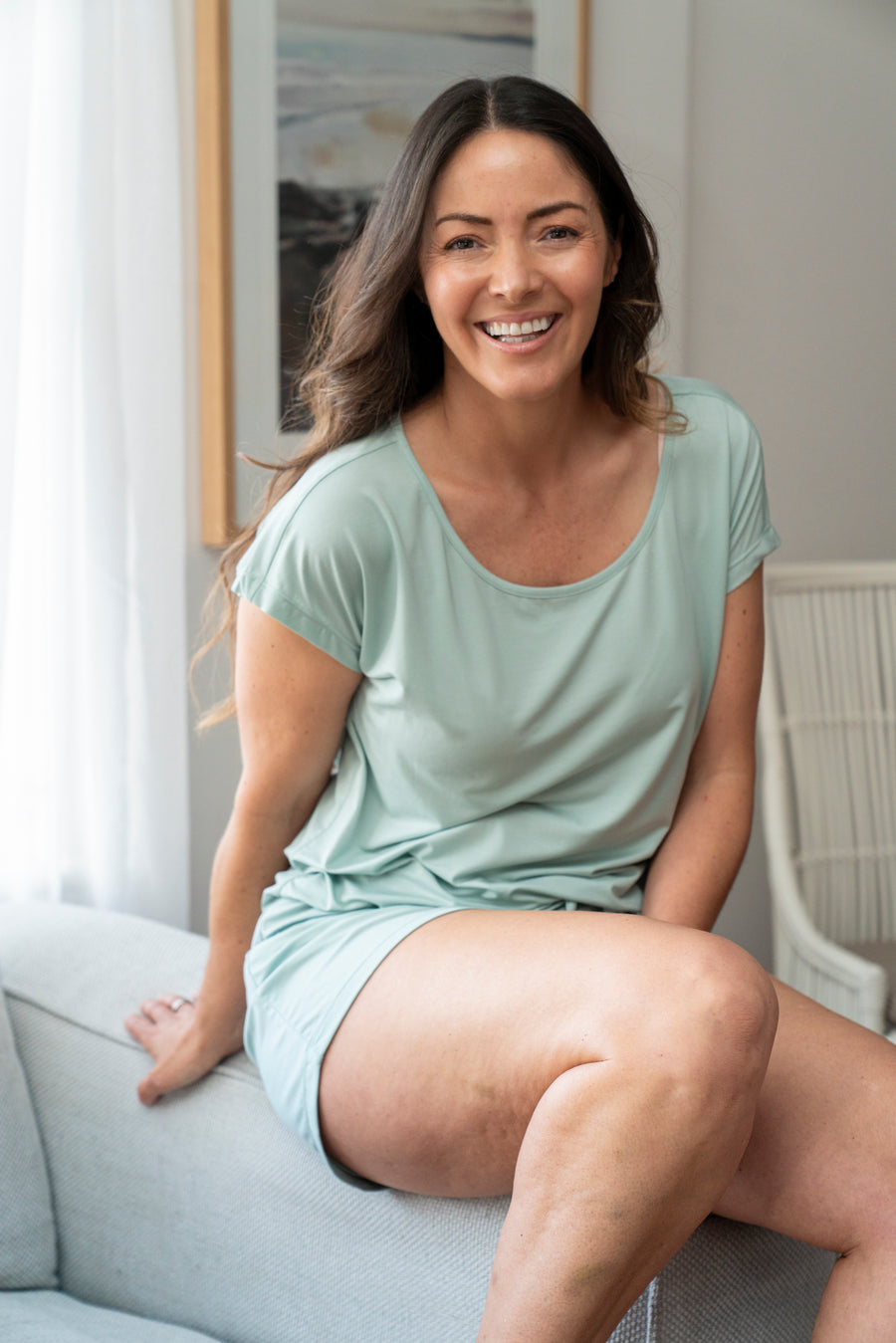
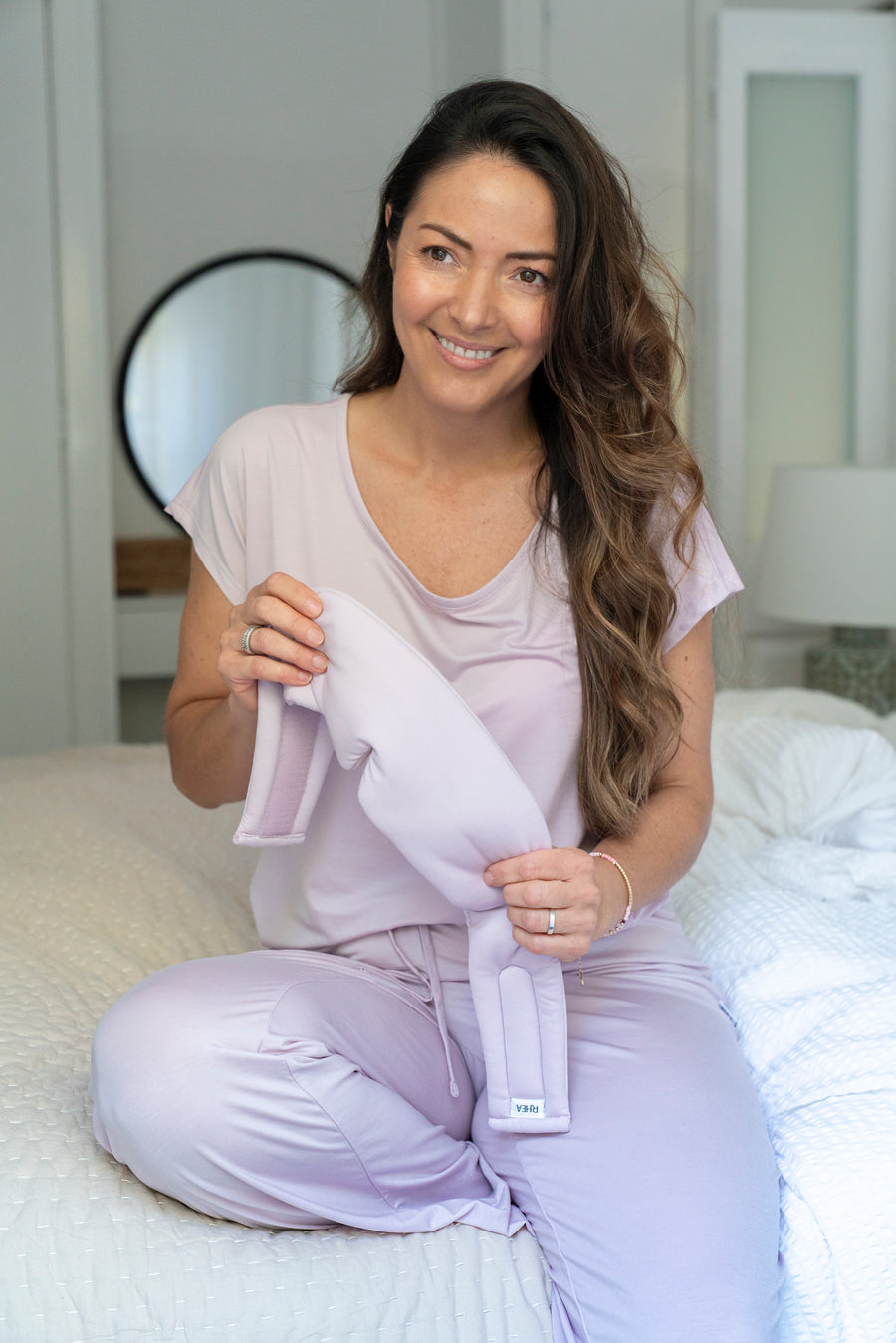
At Rhea & Co, our fabrics are selected for their ability to balance breathability, moisture movement and softness against sensitive skin.
👉 Explore our range of cooling sleepwear designed for night sweats.